تجول في أي مزرعة أو دفيئة حديثة، وسترى شيئًا لم يكن شائعًا قبل جيل مضى: قماش يغطي التربة، ويحمي المحاصيل، ويقي النباتات من العوامل الجوية.
هذا القماش غالباً ما يكون نسيج غير منسوج من البولي بروبيلين المغزول — وقد أصبحت واحدة من أكثر الأدوات تنوعاً في الزراعة الحديثة.
من حماية الشتلات الصغيرة من الصقيع إلى قمع الأعشاب الضارة بدون مواد كيميائية، يساعد البولي بروبيلين غير المنسوج المزارعين على زراعة المزيد من الغذاء بمدخلات أقل.
في هذا الدليل، سنستكشف التطبيقات الزراعية الرئيسية للأقمشة غير المنسوجة المصنوعة من البولي بروبيلين وكيفية اختيار القماش المناسب لمزرعتك.
لماذا يُفضّل القطاع الزراعي الأقمشة غير المنسوجة المصنوعة من البولي بروبيلين بتقنية سبونبوند؟
المزارعون أناس عمليون. يختارون المواد التي تُجدي نفعاً، وبولي بروبيلين سبونبوند يُجدي نفعاً. إليكم السبب:
مزايا الملكية الزراعية
| يسمح بمرور الهواء | يسمح بوصول الهواء والرطوبة إلى النباتات أثناء تغطيتها |
| مقاوم للأشعة فوق البنفسجية | يتحمل التعرض لأشعة الشمس الخارجية لعدة أشهر |
| خفيف الوزن | سهل التركيب والنقل والتخزين - لا حاجة لمعدات ثقيلة |
| متين | يقاوم التمزق أثناء التركيب وفي ظروف الرياح |
| نفاذ | يسمح بمرور مياه الأمطار - فلا تتجمع أو تتدفق. |
| خالٍ من المواد الكيميائية | يقلل من الحاجة إلى مبيدات الأعشاب والمبيدات الحشرية |
| فعال من حيث التكلفة | أقل تكلفة من البدائل المنسوجة أو الأغشية البلاستيكية |
التطبيقات الزراعية الرئيسية
1. أغطية المحاصيل (أغطية الصفوف العائمة)
يُفرش قماش سبونبوند مباشرة فوق صفوف النباتات الصغيرة. وهو يعمل كـ المناخ المحلي — حبس الحرارة، ومنع الرياح، والحماية من الصقيع الخفيف.
- فوائد: حصاد مبكر، غلة أعلى، أضرار أقل من الآفات
- المحاصيل الشائعة: الخس، السبانخ، الفراولة، البطيخ، الطماطم
- المواصفات النموذجية: 15-30 جرامًا للمتر المربع، أبيض أو فاتح اللون (لعكس الحرارة)
2. حصائر مكافحة الأعشاب الضارة (غطاء أرضي / قماش نشارة)
يتم وضع قماش سبونبوند أسود على سطح التربة حول النباتات. يحجب ضوء الشمس من الوصول إلى بذور الأعشاب الضارة، ومنع إنباتها - بدون مواد كيميائية.
- فوائد: لا حاجة لمبيدات الأعشاب، جهد أقل (لا حاجة لإزالة الأعشاب يدويًا)، يحافظ على رطوبة التربة
- الاستخدامات الشائعة: أحواض الخضراوات، وبساتين الفاكهة، وكروم العنب، وأصص المشاتل
- المواصفات النموذجية: 50-100 غرام/متر مربع، أسود، مقاوم للأشعة فوق البنفسجية
3. الحماية من الصقيع
يُنتج النسيج غير المنسوج خفيف الوزن بطانية واقية يحبس حرارة النهار ويحمي النباتات من التجمد ليلاً. ويمكنه توفير حماية من الصقيع تتراوح بين 2 و4 درجات مئوية.
- فوائد: يطيل موسم النمو، ويحمي المحاصيل المبكرة والمتأخرة
- المحاصيل الشائعة: الشتلات الصغيرة، والزهور، وأشجار الفاكهة المزهرة
- المواصفات النموذجية: 17-30 غرام/متر مربع، أبيض، خفيف الوزن وجيد التهوية
4. الحماية من الحشرات (بديل لشبكة الحماية من الحشرات)
يعمل نسيج سبونبوند كـ حاجز مادي مكافحة الحشرات - منع حشرات المن والذباب الأبيض والآفات الأخرى بدون استخدام مواد كيميائية.
- فوائد: يقلل من استخدام المبيدات الحشرية، ويحمي المحاصيل العضوية
- المواصفات النموذجية: 15-25 جرامًا للمتر المربع، أبيض أو ذو نسيج ناعم
5. الأغطية الداخلية للبيوت الزجاجية
داخل البيوت الزجاجية، يُستخدم الغزل غير المنسوج كـ طبقة حرارية ثانوية — تقليل تكاليف التدفئة وتوفير الظل خلال الطقس الحار.
- فوائد: انخفاض تكاليف الطاقة، والتحكم في درجة الحرارة
- المواصفات النموذجية: 30-50 غرام/متر مربع، أبيض أو رمادي
6. حماية الشتلات والمشاتل
في المشاتل، تحمي الأغطية المصنوعة من الألياف الصناعية الشتلات الصغيرة من الرياح وحروق الشمس والظروف الجافة حتى تصبح قوية بما يكفي لزراعتها في الأرض.
- فوائد: معدلات بقاء أعلى، وتأسيس أسرع
- المواصفات النموذجية: 17-30 غرام/متر مربع، أبيض
7. أغطية أشجار الفاكهة ومزارع الكروم
بالنسبة للبساتين ومزارع الكروم، يحمي النسيج غير المنسوج الفاكهة من البرد والطيور وحروق الشمس - مع السماح للهواء والضوء بالوصول إلى الفاكهة.
- فوائد: فاكهة ذات جودة أعلى، وهدر أقل
- المواصفات النموذجية: 30-70 غرام/متر مربع، أبيض أو أسود، مقاوم للأشعة فوق البنفسجية
المواصفات الزراعية الأكثر شيوعاً: 17 جرامًا للمتر المربع أبيض لتغطية المحاصيل و 50-80 جرامًا للمتر المربع أسود لحصائر مكافحة الأعشاب الضارة.
حصائر مكافحة الأعشاب الضارة مقابل الأغشية البلاستيكية - لماذا يفوز الغزل غير المنسوج؟
حصيرة مانعة للأعشاب مصنوعة من غشاء بلاستيكي أسود من البولي بروبيلين غير المنسوج
| مكافحة الأعشاب الضارة | ✓ ممتاز | ✓ ممتاز |
| قابل للتنفس (هواء + رطوبة) | لا (يغلق التربة) | ✓ نعم |
| تسرب مياه الأمطار | لا (يجب أن يكون مشقوقًا) | ✓ نعم (مسامي) |
| تأثير تبريد التربة | يمكن أن يؤدي إلى ارتفاع درجة حرارة التربة | ✓ معتدل |
| المتانة في الميدان | يتمزق بسهولة، ويتلف بفعل الأشعة فوق البنفسجية | ✓ مقاوم للتمزق، ومقاوم للأشعة فوق البنفسجية |
| إمكانية إعادة الاستخدام | عادة ما تستخدم لمرة واحدة | ✓ مواسم متعددة |
| نهاية الحياة | يصعب إعادة تدويرها، وغالبًا ما تُحرق | ✓ 100% بولي بروبيلين - قابل لإعادة التدوير |
| تأثير صحة التربة | يمكن أن يؤدي إلى تدهور بنية التربة | ✓ يحافظ على صحة التربة |
الخلاصة: يُعدّ الغلاف البلاستيكي أرخص في البداية، لكنه يضرّ بصحة التربة. أما حصائر مكافحة الأعشاب المصنوعة من الألياف الصناعية، فتُكلّف أكثر في البداية، لكنها تُؤتي ثمارها على مدى مواسم عديدة، وهي أفضل للتربة.
كيفية اختيار الخيط الزراعي المناسب
فيما يلي العوامل الرئيسية التي يجب مراعاتها عند تحديد مواصفات الألياف الصناعية غير المنسوجة:
1. الوزن (GSM)
- خفيف (15-30 جم/م²): أغطية المحاصيل، الحماية من الصقيع، حواجز الحشرات
- متوسط (30-60 جرامًا للمتر المربع): البيوت الزجاجية، حماية الشتلات، مكافحة الأعشاب الضارة الخفيفة
- ثقيل (60-100 جم/م²): أغطية مكافحة الأعشاب الضارة، وأغطية البساتين، وأغطية أرضية طويلة الأمد
2. اللون
- أبيض: يعكس الحرارة، وهو مفيد لتغطية المحاصيل والحماية من الصقيع
- أسود: يمتص الحرارة ويحجب الضوء - الأفضل لحصائر الأعشاب الضارة
- أخضر / بني: تفضيل جمالي لتنسيق الحدائق أو البساتين
3. تثبيت ضد الأشعة فوق البنفسجية
- للاستخدام الخارجي: تُعدّ مثبتات الأشعة فوق البنفسجية ضرورية. فبدونها، يتلف النسيج في غضون شهرين إلى ستة أشهر. أما بوجودها، فيدوم النسيج من سنة إلى ثلاث سنوات في الهواء الطلق.
- للاستخدام في البيوت الزجاجية: يُعدّ تثبيت المنتج ضد الأشعة فوق البنفسجية أقل أهمية، ولكنه لا يزال يُوصى به.
4. العرض
- يتوفر الخيط الزراعي غير المنسوج بأطوال مختلفة - اللفائف القياسية هي 1.6 متر، 2.0 متر، 2.4 متر، أو أطوال مخصصة لتناسب صفوفك أو أحواضك
المواصفات الموصى بها حسب التطبيق
تطبيق مُوصى به لتثبيت ألوان الأشعة فوق البنفسجية GSM
| غطاء صف عائم | 15-25 | أبيض | مُستَحسَن |
| الحماية من الصقيع | 17-30 | أبيض | مُستَحسَن |
| حاجز للحشرات | 15-25 | أبيض | خياري |
| حصيرة مكافحة الأعشاب الضارة (خفيفة) | 50–70 | أسود | ضروري |
| حصيرة مانعة للأعشاب الضارة (ثقيلة) | 80–100 | أسود | ضروري |
| غطاء أرضي للبستان | 70–100 | أسود | ضروري |
| طبقة حرارية للدفيئة | 30–50 | أبيض / رمادي | خياري |
ما نقدمه للزراعة
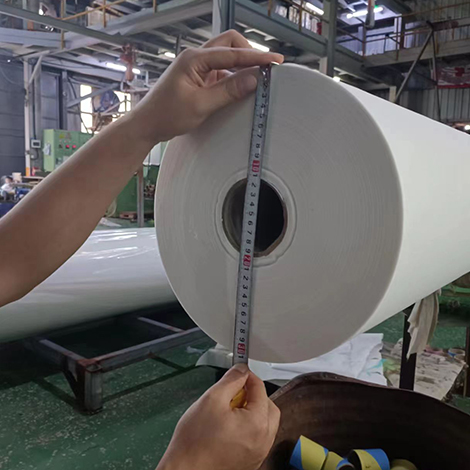
نحن في شركة هينغ هوا للأقمشة غير المنسوجة نوفر بولي بروبيلين أحادي الطبقة غير منسوج للتطبيقات الزراعية:
- الوزن الأساسي: 15-100 جرام/متر مربع (تغطي جميع الاستخدامات الزراعية)
- عرض: قابل للتخصيص حتى 2.4 متر
- لون: أبيض، أسود، أخضر، بني — أو ألوان مخصصة
- تثبيت ضد الأشعة فوق البنفسجية: معيار لجميع درجات الاستخدام الخارجي
- جودة: حاصل على شهادة ISO 9001:2015؛ تم اختباره وفقًا لمعايير SVHC
صُممت أصنافنا الزراعية من أجل:
- من سنة إلى ثلاث سنوات من التعرض للأشعة فوق البنفسجية في الهواء الطلق
- تهوية لنمو النباتات بشكل صحي
- متانة تدوم لعدة مواسم من الاستخدام
الخلاصة
يُحدث نسيج البولي بروبيلين غير المنسوج ثورة في الزراعة الحديثة، فهو يُساعد المزارعين على:
- حماية المحاصيل من الصقيع والرياح والآفات
- مكافحة الأعشاب الضارة بدون مواد كيميائية
- تمديد مواسم النمو
- تحسين الإنتاجية وجودة المحاصيل
- خفض تكاليف العمالة والمواد الكيميائية
إنه بسيط وعملي وفعال من حيث التكلفة الحل - وهو أحد الأسباب التي تجعل الطلب على الأقمشة غير المنسوجة في الزراعة يستمر في النمو عامًا بعد عام.
هل تبحث عن مورد موثوق به لأقمشة البولي بروبيلين غير المنسوجة بتقنية الغزل لمزرعتك أو دفيئتك؟ نقدم درجات زراعية تتراوح بين 15 و100 جرام للمتر المربع مع تثبيت للأشعة فوق البنفسجية، وألوان مخصصة، وجودة ISO 9001:2015.
تواصلوا معنا للحصول على عينات أو عرض سعر دعنا نساعدك في زراعة محاصيل أفضل.