سواء كنت تستخدم خيوط السبنبوند للتغليف أو المستلزمات الطبية أو مكونات الأثاث أو الأغطية الزراعية، فأنت بحاجة إلى معرفة المدة التي ستؤدي فيها وظيفتها - ومتى قد تفشل.
الإجابة المختصرة؟ الأمر يعتمد. يتراوح عمر الألياف المنسوجة أحادية الطبقة من بضعة أسابيع (في حالة التعرض الشديد للأشعة فوق البنفسجية) إلى أكثر من 10 سنوات (في ظروف داخلية خاضعة للتحكم).
دعونا نحلل العوامل التي تحدد طول العمر.
ما الذي يحدد عمر الأقمشة غير المنسوجة بتقنية سبونبوند؟
تؤثر عدة عوامل على عمر نسيج الغزل غير المتصلد. وفهم هذه العوامل سيساعدك على اختيار المواصفات المناسبة لتطبيقك.
1. التعرض للأشعة فوق البنفسجية (ضوء الشمس)
البولي بروبيلين هو حساس للأشعة فوق البنفسجيةيؤدي التعرض المطول لأشعة الشمس إلى تكسير سلاسل البوليمر، مما يتسبب في أن يصبح النسيج هشًا، ويفقد قوته، ويتشقق في النهاية.
- بدون مثبتات للأشعة فوق البنفسجية: من 3 إلى 6 أشهر في الهواء الطلق
- مع مثبتات للأشعة فوق البنفسجية: من سنة إلى ثلاث سنوات في الهواء الطلق
- في الداخل (بدون أشعة فوق بنفسجية):من 5 إلى 8 سنوات، وحتى أكثر من 10 سنوات
2. درجة الحرارة والحرارة
يتميز البولي بروبيلين غير المنسوج بثباته في درجة حرارة الغرفة وفي درجات الحرارة المعتدلة. ومع ذلك:
- التعرض المستمر فوق 80 درجة مئوية (176 درجة فهرنهايت) تسريع الشيخوخة
- في 150 درجة مئوية (302 درجة فهرنهايت)يبدأ النسيج في التليين والانكماش
- في 160-170 درجة مئويةيذوب
بالنسبة لمعظم التطبيقات الداخلية، لا تشكل الحرارة مصدر قلق.
3. التعرض للمواد الكيميائية
البولي بروبيلين هو خامل كيميائياً — فهو يقاوم معظم الأحماض والقلويات والمذيبات. ومع ذلك:
- ستؤدي عوامل الأكسدة القوية (المبيضات، البيروكسيدات) إلى تحلله
- يمكن للمذيبات الهيدروكربونية (البنزين، الزيت) أن تُليّن أو تُسبّب انتفاخ النسيج
- للأمطار الحمضية تأثير ضئيل
4. الإجهاد الميكانيكي
سيؤدي الشد والاحتكاك والتمدد المتكرر في النهاية إلى إضعاف النسيج. ولكن للاستخدام العادي، فإن نسيج سبونبوند بنية الخيوط المتصلة يوفر مقاومة ممتازة للإجهاد.
5. إضافات مضادات الأكسدة
يحتوي الغزل عالي الجودة على مضادات الأكسدة تمنع مضادات الأكسدة عملية الأكسدة (وهي عملية تدهور بطيئة ناتجة عن الأكسجين). وبدونها، سيصفر النسيج ويفقد متانته مع مرور السنين من التخزين.
العمر الافتراضي المتوقع حسب التطبيق
شروط الاستخدام النموذجية والعمر الافتراضي المتوقع
| الكمامات والأردية الطبية | داخلي، مكيف الهواء | مدة الصلاحية: من سنتين إلى خمس سنوات
للاستخدام لمرة واحدة (قيد الاستخدام) |
| تغليف معقم | تخزين داخلي محكم الإغلاق | 3-5 سنوات |
| أكياس الأرز/الدقيق | مستودع (إضاءة شمسية محدودة) | من سنة إلى ثلاث سنوات (قيد الاستخدام) |
| أغطية واقية من الغبار للأثاث | في الداخل، بدون تعريض للأشعة فوق البنفسجية | 3-5 سنوات (استخدام عادي) |
| الزراعة والغطاء | في الهواء الطلق، الأشعة فوق البنفسجية المستمرة | من سنة إلى سنتين (مع مثبتات للأشعة فوق البنفسجية) |
| المنسوجات الأرضية (تحت الأرض) | تحت الأرض، لا يوجد أشعة فوق بنفسجية | أكثر من 20 عامًا |
| أكياس التسوق (قابلة لإعادة الاستخدام) | مساحة داخلية/خارجية مختلطة | 1-2 سنوات (استخدام منتظم) |
مدة صلاحية لفائف الألياف غير المنسوجة (قبل الاستخدام)
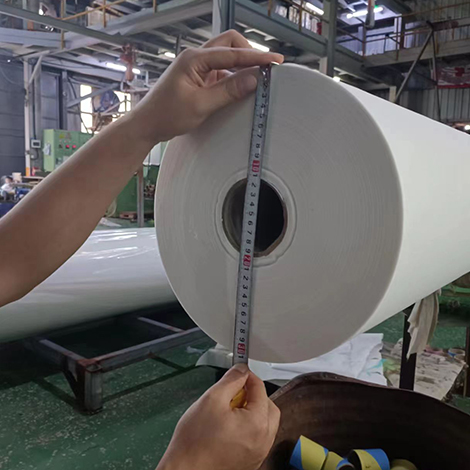
إذا كنت تخزن لفائف الألياف غير المنسوجة في مستودعك، فإليك ما يمكن توقعه:
شروط التخزين، مدة الصلاحية الموصى بها، ملاحظات
| يتم التحكم في المناخ (20-25 درجة مئوية، 50% رطوبة نسبية) | 3-5 سنوات | تحمي مضادات الأكسدة من التلف |
| مستودع حار ورطب (30-40 درجة مئوية، رطوبة نسبية عالية) | 1-2 سنة | تُسرّع الحرارة من عملية الشيخوخة، بينما يكون تأثير الرطوبة طفيفًا. |
| التعرض لأشعة الشمس (الأشعة فوق البنفسجية المباشرة) | 3-6 أشهر | تجنب التخزين بالقرب من النوافذ أو في الهواء الطلق |
نصيحة للتخزين: يُحفظ لفّات الأقمشة غير المنسوجة على منصات نقالة، بعيدًا عن أشعة الشمس المباشرة، في بيئة باردة (أقل من 30 درجة مئوية) وجافة. يُغطى بغطاء داكن اللون لحمايته من الغبار والرطوبة، خاصةً عند إغلاق النافذة.
كيف تعرف ما إذا كان نسيجك المصنوع من الألياف الصناعية قد تدهور؟
علامات تدل على أن القماش يقترب من نهاية عمره الافتراضي:
- اصفرار أو اسمرار — تحدث عملية الأكسدة
- فقدان القوة — يتمزق بسهولة عند شده
- تشقق السطح — تشققات دقيقة مرئية، خاصة بعد الطي
- انخفاض الاستطالة — ملمس القماش قاسٍ وصلب
- التكوّر أو التبويض — تتفكك سلاسل البوليمر
كيفية إطالة العمر
بالنسبة للعملاء الذين يحتاجون إلى خيوط سبونبوند تدوم لفترة أطول، إليكم الخيارات المتاحة:
1. أضف مثبتات الأشعة فوق البنفسجية
تعمل مثبتات الأشعة فوق البنفسجية على امتصاص أو حجب الأشعة فوق البنفسجية، مما يطيل عمر المنتج في الهواء الطلق بشكل كبير. بالنسبة للأغطية الزراعية والتغليف الخارجي، نحن أوصي بشدة باستخدام الألياف غير المنسوجة المقاومة للأشعة فوق البنفسجية.
2. استخدام مضادات الأكسدة
تُعدّ مضادات الأكسدة عنصراً أساسياً في جميع أنواع الأقمشة المنسوجة عالية الجودة، حيث تمنع الأكسدة أثناء التخزين والاستخدام العادي. ويمكن أن تؤدي المستويات العالية من مضادات الأكسدة إلى إطالة فترة الصلاحية بشكل ملحوظ.
3. اختر نطاق تردد أعلى لشبكة GSM
يحتوي النسيج الأثقل (مثلاً، 100 غرام/متر مربع مقابل 50 غرام/متر مربع) على كتلة بوليمرية أكبر لامتصاص التلف قبل أن يتعطل. بالنسبة للاستخدامات الخارجية، نوصي بـ وزن لا يقل عن 90-100 غرام/متر مربع مع مثبتات للأشعة فوق البنفسجية.
4. طلاء أو تغليف (اختياري)
في الظروف القاسية، يمكن طلاء أو تغليف الألياف المنسوجة بطبقات من الأغشية الرقيقة، مما يوفر حماية إضافية من الأشعة فوق البنفسجية والرطوبة. هذا الخيار أغلى ثمناً ولكنه يطيل عمر المنتج بشكل كبير.
طرق اختبار طول العمر
عندما نختبر متانة الألياف غير المنسوجة، نستخدم أساليب التقادم المتسارع:
طريقة الاختبار، ما يقيسه، المعيار
| التعتيق في الفرن (الحرارة) | مقاومة للحرارة، والأكسدة | ASTM D5510 |
| التجوية المتسارعة بتقنية QUV | مقاومة للأشعة فوق البنفسجية | ASTM G154 |
| التجوية بقوس الزينون | تدهور الضوء كامل الطيف | ASTM G155 |
| اختبار الاحتفاظ بالشد | فقدان القوة بمرور الوقت | ASTM D5034 |
ما يختبره عملاؤنا فعلياً
استنادًا إلى ردود فعل واقعية من عملائنا في مختلف القطاعات:
- الشركات المصنعة للأجهزة الطبية: يمكن تخزين لفائف الألياف غير المنسوجة القياسية بشكل جيد لمدة تتراوح بين 3 و5 سنوات في مستودعات ذات تحكم مناخي. أما الكمامات والأردية فتُستخدم في غضون عامين من تاريخ الإنتاج.
- مطاحن الأرز (جنوب شرق آسيا): تدوم أكياس سبونبوند بوزن 80-90 جرامًا للمتر المربع من 12 إلى 24 شهرًا في ظروف المستودعات، مع التعرض للأشعة فوق البنفسجية من حين لآخر.
- صانعو الأثاث: تدوم أغطية الغبار طوال عمر الأثاث - أكثر من 10 سنوات - لأنها محمية في الداخل.
- المزارعون (الأغلفة الزراعية): بفضل استخدام خيوط سبونبوند 100 جرام/متر مربع المقاومة للأشعة فوق البنفسجية، توقع استخدامًا خارجيًا لمدة موسم أو موسمين (12-24 شهرًا).
الخلاصة
النسيج غير المنسوج أحادي الطبقة من البولي بروبيلين المغزول هو مادة متينة تدوم طويلاً عند استخدامه في الظروف المناسبة، يدوم لفترة أطول من معظم دورات حياة المنتجات في الأماكن المغلقة. أما في الأماكن المفتوحة، فيحتاج إلى مثبتات للأشعة فوق البنفسجية ليبقى صالحاً للاستخدام لأكثر من بضعة أشهر.
يكمن السر في مطابقة مجموعة إضافات (مثبتات الأشعة فوق البنفسجية، مضادات الأكسدة) و الوزن الأساسي بالنسبة لتطبيقك المحدد.
هل تبحث عن مورد موثوق به للفائف الأقمشة غير المنسوجة المصنوعة من البولي بروبيلين؟ نقوم بتصنيع ألياف منسوجة أحادية الطبقة بوزن يتراوح من 10 جرامات للمتر المربع إلى 250 جرامًا للمتر المربع، مع مثبتات اختيارية للأشعة فوق البنفسجية لإطالة عمرها الافتراضي.
تواصلوا معنا للحصول على عينات أو عرض سعر - دعونا نناقش متطلبات المتانة الخاصة بك.