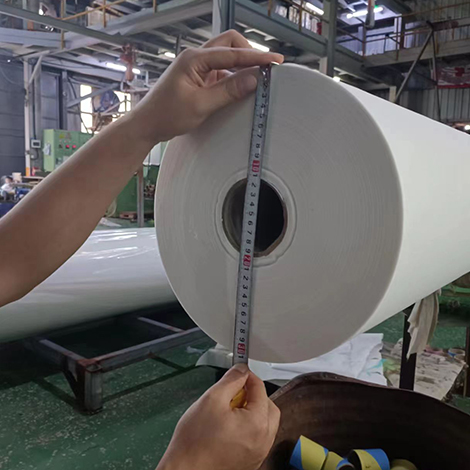
من مصنع لفائف الأقمشة غير المنسوجة إليك
يُستخدم نسيج البولي بروبيلين (PP) في كل مكان. من الأردية الطبية وحقائب التسوق إلى بطانات الأثاث والأغطية الزراعية - إنه أحد أكثر المواد تنوعًا في التصنيع الحديث.
لكن مثل أي مادة، فإن نسيج البولي بروبيلين له نقاط القوة والضعفإن فهم كليهما أمر أساسي لاختيار القماش المناسب لتطبيقك.
دعونا نلقي نظرة صادقة ومتوازنة على إيجابيات وسلبيات نسيج البولي بروبيلين.
ما هو نسيج البولي بروبيلين؟
نسيج البولي بروبيلين هو نسيج صناعي مصنوع من راتنج البولي بروبيلينالبوليمر الحراري البلاستيكي المشتق من البترول. ويمكن إنتاجه على النحو التالي:
- بولي بروبيلين منسوج — أشرطة مسطحة منسوجة على نول (أكياس شديدة التحمل، أكياس FIBC، أغطية قماشية)
- بولي بروبيلين غير منسوج بتقنية سبونبوند — خيوط متصلة ملتصقة بالحرارة (طبية، نظافة، تغليف، أثاث)
- البولي بروبيلين المصهور بالنفخ — ألياف دقيقة للترشيح (طبقات ترشيح القناع)
في هذه المقالة، نركز بشكل أساسي على بولي بروبيلين غير منسوج بتقنية سبونبوند، وهو الشكل الأكثر تنوعًا واستخدامًا على نطاق واسع.
مزايا قماش البولي بروبيلين
1. خفيف الوزن
نسيج البولي بروبيلين خفيف للغاية. أما عند قوة مماثلة، فيزن أقل بنسبة 30-40% مقارنةً بالبدائل المنسوجة. وهذا يعني انخفاض تكاليف الشحن، وسهولة التعامل، وتقليل هدر المواد.
2. متين ومقاوم للتمزق
يحتوي البولي بروبيلين غير المنسوج على قوة تمزق موحدة في جميع الاتجاهات على عكس الأقمشة المنسوجة التي تتمزق بسهولة على طول النسيج، فإن بنية الخيوط المتصلة تقاوم الثقب والتآكل.
3. المقاومة الكيميائية
PP هو مقاومة عالية لمعظم الأحماض والقلويات والمذيبات. لن يتدهور من خلال ملامسته للمواد الكيميائية الشائعة، مما يجعله مثالياً للتطبيقات الصناعية والزراعية والطبية.
4. يسمح بمرور الهواء مع توفير الحماية
يسمح نسيج سبونبوند يمر الهواء وبخار الماء من خلال مع منع السوائل والغبار الناعم. هذه التركيبة الفريدة تجعلها مثالية للأردية الطبية، ومكونات الحفاضات، والأغطية الزراعية.
5. فعال من حيث التكلفة
نسيج البولي بروبيلين هو أرخص بكثير أفضل من البدائل مثل القطن أو البوليستر أو الرقائق. يساهم الإنتاج عالي السرعة (حتى 600 متر/دقيقة) في خفض التكاليف.
6. جودة طباعة ممتازة
يتميز النسيج غير المنسوج بتقنية سبونبوند بـ سطح أملس يشبه الورق تقبل هذه الطابعة الطباعة الفلكسوغرافية والحفرية عالية الجودة. يسهل الحصول على شعارات واضحة وألوان زاهية ورموز شريطية قابلة للمسح الضوئي.
7. خالٍ من الوبر
بخلاف الأقمشة القطنية أو المنسوجة، فإن مادة البولي بروبيلين غير المنسوجة (Spunbond PP) لا يوجد تآكل أو ألياف سائبة. يقطع بشكل نظيف ويبقى نظيفًا - وهو أمر ضروري للتطبيقات الطبية وغرف الأبحاث النظيفة وتغليف المواد الغذائية.
8. قابلة لإعادة التدوير
PP هو قابلة لإعادة التدوير بنسبة 100% وتتمتع بنظام إعادة تدوير راسخ. ويمكن إعادة معالجتها إلى منتجات جديدة، مما يقلل من الأثر البيئي.
9. كاره للماء (طارد للماء)
PP طبيعياً يصد الماءفهو لا يمتص الرطوبة، لذلك يبقى جافاً، ويقاوم العفن، ويحافظ على قوته حتى في الظروف الرطبة.
عيوب نسيج البولي بروبيلين
1. الحساسية للأشعة فوق البنفسجية
هذا هو أكبر عيببدون استخدام مثبتات الأشعة فوق البنفسجية، يتحلل نسيج البولي بروبيلين بسرعة تحت أشعة الشمس، عادةً خلال فترة تتراوح بين شهرين وستة أشهر. تتفكك سلاسل البوليمر، مما يؤدي إلى الهشاشة والتشقق وفقدان المتانة.
الحل: يمكن لمثبتات الأشعة فوق البنفسجية أن تطيل عمر المنتج في الهواء الطلق إلى 1-3 سنوات.
2. مقاومة منخفضة للحرارة
يبدأ PP في تلين عند حوالي 150 درجة مئوية (302 درجة فهرنهايت) وينصهر عند درجة حرارة تتراوح بين 160 و170 درجة مئوية تقريبًا. وهو غير مناسب للتطبيقات التي تتطلب درجات حرارة عالية أو البيئات التي يلامس فيها أسطحًا ساخنة.
الحل: استخدام مواد بديلة (مثل البوليستر) للتطبيقات التي تتطلب درجات حرارة عالية. (نحن نركز على البولي بروبيلين)
3. ضعف الالتصاق بدون علاج
لأن PP غير قطبي، لا تلتصق المواد اللاصقة والطلاءات بسهولة إلى الأسطح غير المعالجة. قد يمثل هذا تحديًا لبعض عمليات الربط أو التغليف.
الحل: تعمل المعالجة بالكورونا أو المعالجة بالبلازما على تحسين طاقة السطح لتحسين الالتصاق.
4. تراكم الشحنات الساكنة
البولي بروبيلين مادة عازلة ويمكن توليد الكهرباء الساكنةوخاصة في الظروف الجافة. قد يؤدي ذلك إلى جذب الغبار، أو التسبب في عدم الراحة (في الملابس)، أو التداخل مع المكونات الإلكترونية.
الحل: تتوفر إضافات مضادة للكهرباء الساكنة أو معالجات سطحية.
5. غير قابل للتحلل البيولوجي
بينما PP هو قابلة لإعادة التدويرفهي غير قابلة للتحلل الحيوي. وفي ظروف مكبات النفايات، تبقى لمئات السنين. وهذا يمثل مصدر قلق بشأن استدامة المنتجات ذات الاستخدام الواحد.
الحل: يتم إعادة تدوير البولي بروبيلين على نطاق واسع؛ وتتزايد برامج إعادة التدوير المغلقة.
6. يمكن أن يتلف بسبب الزيت والشحوم
على الرغم من أن البولي بروبيلين يقاوم معظم المواد الكيميائية، إلا أنه ينتفخ ويلين عند تعرضه للمذيبات الهيدروكربونية، بما في ذلك الزيوت والشحوم. وهذا يحد من استخدامه في بعض تطبيقات السيارات والصناعات الأخرى.
الإيجابيات والسلبيات في لمحة
الجانب الميزة العيب
| وزن | خفيف الوزن، مما يقلل من تكلفة الشحن | — |
| قوة | مقاومة موحدة للتمزق | يتدهور مع التعرض للأشعة فوق البنفسجية |
| مقاومة المواد الكيميائية | يقاوم معظم الأحماض والقلويات | تضررت بفعل الزيوت والمذيبات |
| التهوية | ممتاز | — |
| مقاومة للحرارة | يتحمل درجات حرارة تصل إلى حوالي 100 درجة مئوية | يلين عند درجة حرارة 150 درجة مئوية، وينصهر عند درجة حرارة 170 درجة مئوية |
| إمكانية الطباعة | ممتاز (سبونبوند) | رديء (بولي بروبيلين منسوج) |
| إمكانية إعادة التدوير | قابلة لإعادة التدوير بنسبة 100% | غير قابل للتحلل البيولوجي |
| يكلف | التكلفة المنخفضة مقابل البدائل | — |
كيفية التغلب على القيود
معظم عيوب PP حلول عملية:
حلول القيود
| التحلل بالأشعة فوق البنفسجية | مثبتات الأشعة فوق البنفسجية |
| مقاومة منخفضة للحرارة | تجنب التطبيقات ذات درجات الحرارة العالية؛ استخدم البولي بروبيلين فقط عند درجة حرارة أقل من 100 درجة مئوية بشكل مستمر |
| ضعف الالتصاق | العلاج بالكورونا، أو العلاج بالبلازما، أو التحضير |
| الشحنة الساكنة | المواد المضافة المضادة للكهرباء الساكنة (مثل أحادي ستيرات الجلسريل) |
| حساسية الزيت | تجنب ملامسة الزيوت؛ استخدم الطلاءات إذا لزم الأمر |
متى يجب عليك اختيار قماش البولي بروبيلين؟
اختر قماش البولي بروبيلين عندما:
- أنت بحاجة مادة خفيفة الوزن ومنخفضة التكلفة
- أنت بحاجة إلى تهوية جيدة مع مقاومة للسوائل (طبي، نظافة)
- تريد جودة طباعة حادة وملونة (التغليف، الأكياس)
- التطبيق هو في الداخل أو محمية من الأشعة فوق البنفسجية (أثاث، طبي، تخزين)
- أنت بحاجة مقاومة كيميائية (الزراعة، الصناعة)
تجنب استخدام قماش البولي بروبيلين في الحالات التالية:
- التعرض المستمر للأشعة فوق البنفسجية في الهواء الطلق (ما لم يكن مثبتًا ضد الأشعة فوق البنفسجية)
- درجات حرارة التشغيل أعلى من 100 درجة مئوية
- التلامس مع الهيدروكربونات (الزيوت، البنزين، بعض المذيبات)
- المواد القابلة للتحلل الحيوي مطلوبة بموجب اللوائح
الخلاصة
نسيج البولي بروبيلين ليس مادة خارقة، ولكنه... عملي ومتعدد الاستخدامات وفعال من حيث التكلفة حل لمجموعة واسعة من التطبيقات.
تتفوق مزاياها (خفيفة الوزن، قوية، مقاومة للمواد الكيميائية، قابلة للتهوية، قابلة للطباعة، خالية من الوبر) على عيوبها (حساسية للأشعة فوق البنفسجية، قيود الحرارة، حساسية للزيوت) — خاصة عند اختيار الدرجة المناسبة ومجموعة الإضافات المناسبة.
بفضل مثبتات الأشعة فوق البنفسجية ومضادات الأكسدة والمعالجات السطحية، يمكننا تخصيص مادة البولي بروبيلين غير المنسوجة لتعمل في أي بيئة تقريبًا.
هل تبحث عن مورد موثوق به للفائف الأقمشة غير المنسوجة أحادية الطبقة المصنوعة من البولي بروبيلين بتقنية الغزل؟ نقدم حلولاً قابلة للتخصيص مع مثبتات للأشعة فوق البنفسجية، ومعالجات مضادة للكهرباء الساكنة، وخيارات أخرى - وكلها مصممة خصيصاً لتطبيقك.
تواصلوا معنا للحصول على عينات أو عرض سعر - دعونا نجد قماش البولي بروبيلين المناسب لمنتجك.
marketing@henghuanonwoven.com