لقد اخترت القماش المناسب. الوزن المناسب. العرض المناسب. اللون المناسب. ولكن هناك تفصيل آخر مهم - وغالبًا ما يتم تجاهله: ما هو حجم الأنبوب الأساسي الذي يجب أن تحتوي عليه لفائف الورق الخاصة بك؟
قد يبدو الأمر تفصيلاً صغيراً، لكن اختيار الحجم الخاطئ للقلب يمكن أن يؤثر على تكاليف الشحن وكفاءة الإنتاج وحتى جودة القماش.
إليك كل ما تحتاج لمعرفته حول اختيار أنبوب اللفة المناسب لنسيج البولي بروبيلين غير المنسوج.
ما هو أنبوب القلب الملفوف؟
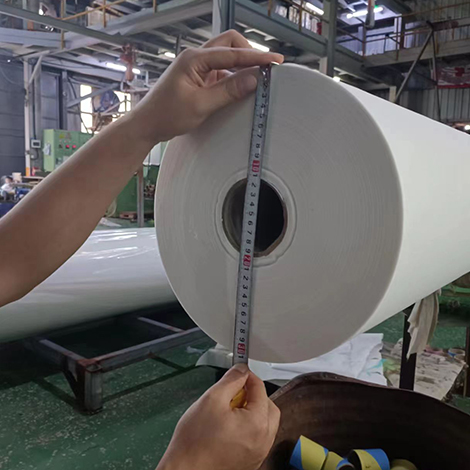
الأنبوب ذو القلب الأسطواني (يسمى أيضًا قلب الورق أو قلب الكرتون) هو مركز أسطواني تُلفّ حولها قطعة من القماش غير المنسوج. توفر هذه القطعة دعماً هيكلياً للفة وتسمح بتركيب القماش على معدات التوزيع أو التحويل.
تُصنع الأنابيب الأساسية عادةً من ورق كرافت عالي الكثافة — قوية بما يكفي لتحمل وزن اللفة أثناء اللف والمناولة والشحن.
الأحجام الأساسية الثلاثة القياسية
في صناعة الأقمشة غير المنسوجة، هناك ثلاثة أقطار داخلية قياسية يجب معرفتها:
حجم القلب، القطر الداخلي، طريقة الإنتاج
| قلب بقطر 3 بوصات | 76.2 ملم | النواة الأولية القياسية — مباشرة من خط الإنتاج |
| قلب بقطر بوصتين | 50.8 ملم | يتطلب إعادة اللف (تم التحويل من 3 بوصات) |
| قلب 1.5 بوصة | 38.1 ملم | يتطلب إعادة اللف (تم التحويل من 3 بوصات) |
قلب 3 بوصات - المعيار الصناعي
ال قلب بقطر 3 بوصات يُعد هذا الحجم الأكثر شيوعًا في صناعة الأقمشة غير المنسوجة. في شركة هينغ هوا للأقمشة غير المنسوجة، كما هو الحال في معظم الشركات المصنعة، يقوم خط إنتاجنا بإنتاج القماش مباشرة على بكرات بقطر 3 بوصاتهذا هو اللب "الأولي" أو "الأساسي" - لا خطوات إضافية، ولا معالجة إضافية، مباشرة من خط الإنتاج.
لماذا يعتبر مقاس 3 بوصات هو المعيار؟
- متوافق مباشرة مع معظم خطوط إنتاج الأقمشة غير المنسوجة
- يناسب معظم معدات التحويل (صناعة الأكياس، آلات صنع الكمامات، خطوط التقطيع)
- قوي بما يكفي لأوزان اللفائف النموذجية
- فعال من حيث التكلفة - لا يتطلب خطوة إعادة لف إضافية
- أقل مخاطر لمشاكل الجودة
بكرات بقياس 2 بوصة و1.5 بوصة - يلزم إعادة لفها
يطلب بعض العملاء أنابيب أصغر حجمًا - بوصتين أو بوصة ونصف - لتقليل حجم اللفة. ولكن على عكس الأنابيب ذات الثلاث بوصات، فإن هذه الأنابيب لا يتم إنتاجها مباشرة على خط الإنتاج الرئيسيإنهم يحتاجون إلى عملية إعادة اللف (يسمى أيضًا "التقطيع وإعادة اللف" أو ببساطة "إعادة اللف").
في عملية إعادة اللف، يتم فك لفة كبيرة ذات قلب قطره 3 بوصات، ثم إعادة لفها على قلب أصغر. وهذا يضيف إنتاج إضافيوهذا يعني:
- تكلفة أعلى - وقت إضافي للعمالة والآلات
- فترة انتظار أطول — يستغرق الترجيع وقتاً
- مخاطر محتملة على الجودة — يتم التعامل مع القماش مرتين
لماذا نختار قلبًا أصغر؟ ميزة الحاوية
السبب الرئيسي الذي يدفع العملاء لطلب أنابيب بقياس 2 بوصة أو 1.5 بوصة هو كفاءة الشحن.
يعني قطر النواة الأصغر ما يلي: القطر الإجمالي لللفة أصغر لنفس طول اللفة. حتى انخفاض من 1 إلى 2 سم قد يُحدث اختلاف قطر اللفة فرقًا كبيرًا - فقد يعني ذلك ملاءمة صف إضافي واحد من اللفائف عند وضعها أفقيًا داخل حاوية شحن.
بالنسبة لحمولة حاوية كاملة، فإن هذا الصف الإضافي الواحد يترجم إلى توفير حقيقي في تكاليف الشحنبالنسبة للمشترين ذوي الأحجام الكبيرة، يُعد هذا سببًا مقنعًا للنظر في استخدام وحدات أصغر.
القاعدة الأساسية الأولى: حدود نظام GSM لإعادة اللف
مهم: للأقمشة من 40 جرامًا للمتر المربع أو أخف، نحن لا يُنصح بإعادة التشغيلبالنسبة للوزن 30 غرامًا للمتر المربع وما دونه، يُنصح بشدة بعدم إعادة تشغيل الفيديو..
لماذا؟ لأن النسيج غير المنسوج خفيف الوزن رقيق وحساستُعرّض عملية إعادة اللف النسيج للشد والتمدد والمعالجة الميكانيكية. بالنسبة للأقمشة الخفيفة، قد يتسبب ذلك في:
- رقيق — يتمدد النسيج ويصبح أخف وزنًا، مما يغير وزنه بالجرام لكل متر مربع
- التشوه انكماش العرض أو حواف غير متساوية
- تلف سطحي - التكوّر، أو التآكل، أو اضطراب الألياف
- فقدان التناسق — تباين في كثافة النسيج عبر اللفة
قاعدة عامة:
- 30 جرامًا للمتر المربع وما دونه: يجب استخدام بكرة بطول 3 بوصات. إعادة اللف ستتلف القماش.
- 40 جرامًا للمتر المربع: إن إعادة الأمور إلى نقطة البداية أمر محفوف بالمخاطر - لذا قم بالتقييم بعناية.
- 50 جرامًا للمتر المربع وما فوق: إعادة اللف آمنة بشكل عام مع التحكم المناسب في الشد.
القاعدة الأساسية الثانية: حدود العرض لإعادة اللف
لا يقتصر الترجيع على شبكة GSM فقط — يُعد عرض القماش بنفس القدر من الأهمية..
تتمتع آلات إعادة اللف لدينا بقدرات عرض محددة. إذا كانت اللفة ضيق جداً، لا يمكن إعادة لفها بشكل صحيح لأن القماش سينجرف أو يتحرك أو يلتف بشكل غير متساوٍ.
مواصفات آلة إعادة اللف الخاصة بنا:
- إعادة التشغيل 1: 1.6 متر سعة العرض (160 سم)
- إعادة التشغيل 2: 2.4 متر سعة العرض (240 سم)
حدود عرض إعادة اللف:
هل يمكن إعادة لف القماش؟ ملاحظات
| ≥ 140 سم (1.4 متر) | نعم | إعادة لف ثابتة، ومحاذاة جيدة للحواف |
| 130 سم (1.3 متر) وما دون | No | يتحرك القماش، ويلتوي بشكل غير متساوٍ، وتصبح الحواف ملتوية. |
| 52 سم (0.52 متر) - ضيق جدًا | No | لا يمكن إعادة لفها على أجهزتنا |
يتذكر: يمكن إعادة لف الشريط بطول 1.5 متر و 1.4 متر. لا يمكن أن يصل ارتفاعها إلى 1.3 متر أو أقل — سينجرف القماش ويتجعد مع الريح.
أمثلة على مواصفات من العالم الحقيقي
إليك مثالان لمساعدتك على فهم متى تنجح عملية الإرجاع ومتى لا تنجح:
✅ مثال 1 — إعادة التشغيل صحيحة
مواصفة: 70 غ/م² × عرض 200 سم × طول 50 م
النواة المطلوبة: بوصتين
الخلاصة: ✅ OK
لماذا: يُعدّ وزن 70 غرامًا للمتر المربع كافيًا لتحمّل شدّ اللفّ. كما أنّ عرض 200 سم يقع ضمن سعة آلة اللفّ البالغة 2.4 متر. القماش متين، وطول 50 مترًا مناسب للاستخدام.
✅ مثال 2 — إعادة التشغيل صحيحة
مواصفة: ٥٠ غرام/متر مربع × عرض ١٥٠ سم × طول ١٠٠ متر
النواة المطلوبة: 1.5 بوصة
الخلاصة: ✅ OK
لماذا: وزن ٥٠ غرامًا للمتر المربع يتجاوز الحد الأدنى البالغ ٤٠ غرامًا للمتر المربع. عرض ١٥٠ سم يتجاوز الحد الأدنى البالغ ١٣٠ سم. يمكن استخدام قلب بقطر ١.٥ بوصة مع التحكم الدقيق في الشد.
❌ المثال 3 — إعادة التشغيل غير مسموحة
مواصفة: 25 غ/م² × عرض 52 سم × طول 200 م
النواة المطلوبة: بوصتين
الخلاصة: ❌ غير مقبول
لماذا: وزن 25 غ/م² أقل من 40 غ/م²، لذا فإن إعادة لف القماش ستؤدي إلى تمدده وترققه. كما أن عرض 52 سم أقل بكثير من الحد الأدنى المطلوب وهو 130 سم، مما سيؤدي إلى انحراف القماش وانحناءه عند اللف. يجب الالتزام بهذه المواصفات على قلب بطول 3 بوصات.
دليل اتخاذ القرار: هل يمكن إعادة صياغة مواصفاتك؟
استخدم قائمة التحقق السريعة هذه لتحديد ما إذا كانت مواصفاتك مناسبة لإعادة اللف إلى قلب أصغر:
لماذا يجب أن يكون الشرط
| GSM (وزن القماش) | ≥ 50 غرام/متر مربع (مثاليًا)
> 40 غرام/متر مربع (كحد أدنى) | عندما يقل وزن القماش عن 40 غرامًا للمتر المربع، فإنه يتمدد ويصبح رقيقًا أثناء إعادة لفه. |
| عرض القماش | ≥ 140 سم | عند ارتفاع أقل من 130 سم، ينجرف القماش ويتحرك بشكل غير متساوٍ. |
| طول اللفة | يعتمد على كثافة الشبكة وعرضها | تتطلب اللفات الأطول تحكمًا أكثر دقة في الشد |
سمك الجدار الأساسي مهم أيضاً
بغض النظر عن القطر الداخلي، سمك الجدار تحدد سماكة اللب قوة تحمله للضغط. فاللب الرقيق سينضغط تحت وزن اللفائف الثقيلة أو عند تثبيته بواسطة ظرف هيدروليكي.
الحجم الأساسي، الجدار القياسي، جدار عالي التحمل
| قلب 3 بوصات | 5-6 مم | 8-10 ملم |
| قلب بقطر بوصتين | 5-6 مم | 8-10 ملم |
| قلب 1.5 بوصة | 4-5 مم | 6-8 مم |
بالنسبة لأي حجم لب، إذا تجاوز وزن اللفة 100-120 كجم، نوصي بالترقية إلى جدار شديد التحمل.
ملخص: مخطط اتخاذ القرار بشأن حجم اللب
دليل اتخاذ القرار السريع:
- هل وزن قماشك 40 جرامًا للمتر المربع أو أقل؟ → يجب استخدامه قلب 3 بوصاتلا يمكن إعادة تشغيل الفيديو.
- هل عرض قماشك 130 سم أو أقل؟ → يجب استخدامه قلب 3 بوصاتلا يمكن الرجوع.
- هل قماشكم بوزن 50 جرامًا للمتر المربع أو أكثر وعرض 140 سم أو أكثر؟ → يمكنك الاختيار 2 بوصة أو 1.5 بوصة عن طريق الإعادة.
- هل تحتاج إلى أقصى كفاءة للحاويات؟ → اختر أصغر نواة تلبي المعايير المذكورة أعلاه.
الخلاصة
يُعد اختيار الحجم المناسب لأنبوب القلب أمرًا موازنة الأمور بين كفاءة الشحن وجودة القماش - مع وجود حدود مادية للآلة بينهما.
القواعد بسيطة:
- 3 بوصات هو المعيار الأساسي الأولي - يعمل دائمًا، بأقل تكلفة، وأقل مخاطرة
- بقياس 2 بوصة و 1.5 بوصة يتطلب إعادة لف - تكلفة إضافية ووقت انتظار أطول، ولكنه يحسن من استخدام الحاويات
- 40 غرام/متر مربع أو أقل — لا تقم بإعادة الشريط. ابقَ مع 3 بوصات.
- عرض 130 سم أو أقل — لا تقم بإعادة الشريط. ابقَ مع 3 بوصات.
- 50 جرامًا للمتر المربع فأكثر و140 سم فأكثر إعادة اللف ممكنة؛ اختر مقاس 2 بوصة أو 1.5 بوصة لتوفير تكاليف الحاويات
إذا كنت غير متأكد مما إذا كان من الممكن إعادة صياغة مواصفاتك، اسألنا فقطسنقوم بفحص وزنك بالجرام وعرضك وطولك مقابل قدراتنا على إعادة اللف وسنقدم لك توصية واضحة.
هل تبحث عن مورد موثوق به للفائف الأقمشة غير المنسوجة المصنوعة من البولي بروبيلين؟ نقدم لكم نوى مقاس 3 بوصات مباشرة من خط الإنتاج، ويمكننا توفير نوى مقاس 2 بوصة أو 1.5 بوصة عن طريق إعادة اللف للمواصفات المناسبة.
تواصلوا معنا للحصول على عينات أو عرض سعر - دعنا نجد الحجم المناسب للقلب لمنتجك.