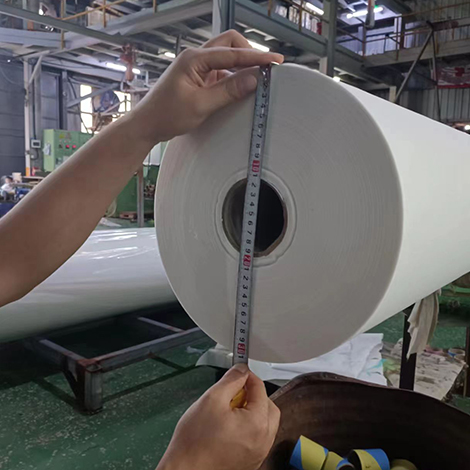
ممَّ يُصنع نسيج سبونبوند؟ نظرة معمقة على تركيبه
March 27, 2026
عند سماع مصطلح "الأقمشة غير المنسوجة"، فإن أول ما يتبادر إلى الذهن غالبًا هو البولي بروبيلين المغزول. إنه أحد أكثر المواد تنوعًا في السوق اليوم، ويُستخدم في كل شيء بدءًا من المعاطف الطبية وحتى حقائب التسوق والأغطية الزراعية.
لكن هل تساءلت يوماً: ما هي المادة المصنوع منها نسيج سبونبوند في الواقع؟
إذا كنت تبحث عن نسيج غير منسوج من البولي بروبيلين عالي الجودة، فإن فهم تركيبه هو المفتاح لتقدير سبب تفوقه على المنسوجات التقليدية في العديد من التطبيقات.
المكون الأساسي: البولي بروبيلين (PP)
في جوهرها، تُصنع أقمشة سبونبوند من100% بولي بروبيلين بكر (PP)، وهو نوع من البوليمرات الحرارية.
على عكس الأقمشة المنسوجة (مثل خيوط القطن أو البوليستر) التي تُحاك أو تُنسج معًا، يُصنع قماش سبونبوند من خلال عملية واحدة متواصلة. إليك كيفية تحول المادة الخام إلى المنتج النهائي:
البثق: يتم صهر رقائق البولي بروبيلين (الراتنج) في درجات حرارة عالية.
الغزليتم دفع البوليمر المنصهر عبر مغزل (فكر فيه مثل رأس الدش) لإنشاء خيوط دقيقة متصلة.
رسم: يتم شد هذه الخيوط بواسطة الهواء عالي السرعة لمحاذاة السلاسل الجزيئية، مما يمنح الألياف قوتها.
تكوين الشبكةيتم وضع الخيوط المتصلة على حزام ناقل لتشكيل شبكة موحدة.
الترابطوأخيراً، تمر الشبكة عبر بكرات ساخنة (التقويم) التي تربط الخيوط معًا دون استخدام الغراء أو المواد اللاصقة أو الخياطة.
لماذا البولي بروبيلين؟
قد تتساءل عن سبب كون البولي بروبيلين هو المادة المفضلة لتصنيع الأقمشة غير المنسوجة. يكمن الجواب في خصائصه الكيميائية والفيزيائية الفريدة:
الخمول الكيميائييتميز البولي بروبيلين بمقاومته للأحماض والقلويات والمذيبات العضوية. وهذا ما يجعل نسيج السبنبوند مثالياً للتطبيقات الطبية والصناعية والزراعية التي يكثر فيها التعرض للمواد الكيميائية.
طبيعة كارهة للماءتتميز هذه المادة بخاصية طرد الماء الطبيعية. ورغم أنها تسمح بمرور الهواء، إلا أنها لا تمتص الرطوبة. أما بالنسبة للتطبيقات التي تتطلب امتصاص الماء، فيمكن للمصنعين معالجة سطحها بسهولة لجعله محباً للماء.
قوة خفيفة الوزنيتميز البولي بروبيلين بواحدة من أعلى نسب القوة إلى الوزن بين أنواع البلاستيك. يمكنك الحصول على نسيج قوي للغاية بوزن أساسي منخفض (غرام/متر مربع).
الربط الحراريعلى عكس أنواع البلاستيك الأخرى، يلتصق البولي بروبيلين بسهولة تحت تأثير الحرارة والضغط، مما يسمح بعملية التشكيل السلسة المذكورة أعلاه.
هل هو مجرد بولي بروبيلين؟
في حين أن البولي بروبيلين هو المعيار لغالبية منتجات الغزل غير المنسوج (وخاصة سلسلة الغزل غير المنسوج من البروبيلين)، إلا أن التركيب يمكن أن يختلف قليلاً حسب الاستخدام النهائي المطلوب:
المواد المركبة متعددة الطبقات (SMS)في بعض الأحيان، يتم دمج طبقات الغزل غير المباشر مع طبقات الغزل المصهور. وبينما تظل طبقات الغزل غير المباشر مصنوعة من البولي بروبيلين، فإن طبقة الغزل المصهور هي أيضاً مصنوعة من البولي بروبيلين، ولكن بألياف أدق لتوفير خصائص عازلة.
الإضافات: لتحسين الأداء، تُخلط الإضافات مع راتنج البولي بروبيلين أثناء عملية البثق. وتشمل هذه الإضافات ما يلي:
مثبتات الأشعة فوق البنفسجية: لمنع التلف الناتج عن أشعة الشمس للاستخدامات الزراعية أو الخارجية.
مثبطات اللهب: للاستخدام في صناعة الأثاث والتطبيقات الصناعية.
مضادات الأكسدةلضمان طول العمر ومنع الاصفرار.
الأصباغ: لإنشاء ألوان مخصصة تتجاوز اللون الأبيض الطبيعي.
خاتمة
إذن، للإجابة على السؤال:يتكون نسيج سبونبوند بشكل أساسي من راتنج البولي بروبيلينمن خلال عملية بثق وربط متطورة، يتم تحويل هذا البلاستيك الخام إلى نسيج ناعم وقوي ومتين ومتعدد الاستخدامات.
سواء كنت بحاجة إلى قماش خفيف الوزن للملابس الواقية أو ملاءة شديدة التحمل للمنسوجات الأرضية، فإن إدراكك أنك تعمل مع مادة البولي بروبيلين المنسوجة عالية الجودة يضمن لك اختيار مادة توفر المتانة والفعالية من حيث التكلفة وإمكانية إعادة التدوير.
هل تبحث عن مورد موثوق للأقمشة غير المنسوجة بتقنية سبونبوند؟تتخصص شركة Henghua Nonwoven في تخصيص أقمشة البولي بروبيلين المغزولة لتلبية مواصفاتك الدقيقة - من الوزن (GSM) إلى العرض واللون.
بريد إلكتروني:Marketing@henghuanonwoven.com