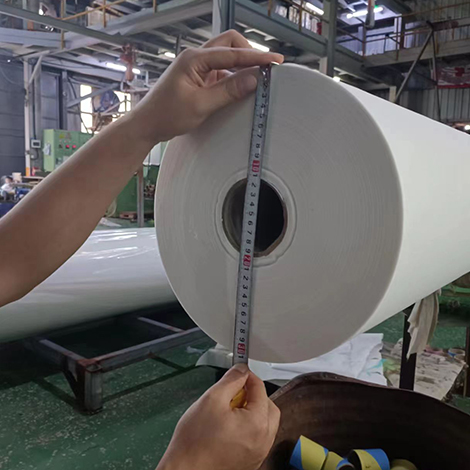
من مصنع لفائف الأقمشة غير المنسوجة إلى صناعة الأثاث
اقلب أي أريكة أو كرسي بذراعين أو مرتبة عالية الجودة. ماذا ترى في الأسفل؟
في معظم الحالات، ستجد غطاء واقٍ من الغبار (يُسمى أيضاً البطانة السفلية أو بديل القماش). يُثبّت هذا القماش بالدبابيس على الجانب السفلي من هيكل الأثاث. وهو يُخفي الهيكل الداخلي، ويمنع دخول الغبار، ويُضفي على القطعة مظهراً نهائياً أنيقاً.
تقليديًا، كانت أغطية الغبار تُصنع من قماش كامبريك منسوج (قماش قطني أسود ثقيل أو قماش قطني مخلوط بالبوليستر). اليوم، يتجه المزيد والمزيد من مصنعي الأثاث إلى استخدام نسيج غير منسوج من البولي بروبيلين المغزول.
لماذا هذا التغيير؟ دعونا نحلل الأمر.
ما هو غطاء حماية الأثاث من الغبار؟
غطاء الغبار هو طبقة القماش المتصلة بـ أسفل الأثاث المنجد — الأرائك، والكراسي الصغيرة، والكراسي، والمساند، وحتى المراتب.
مهامها بسيطة لكنها مهمة:
- احرص على إبعاد الغبار والحطام. - يمنع دخول عث الغبار وشعر الحيوانات الأليفة والأوساخ إلى داخل الأثاث
- يوفر لمسة نهائية نظيفة – يخفي النوابض والأشرطة وحواف الإطار الخام
- يسمح بالتهوية - يمنع تراكم الرطوبة والعفن داخل الأثاث
- توفر حماية من الضوء - يحمي من الصدمات الطفيفة والآفات
لماذا تُستخدم الأقمشة غير المنسوجة بتقنية سبونبوند في صناعة أغطية الغبار؟
فيما يلي الأسباب الرئيسية التي تدفع مصنعي الأثاث إلى التحول من قماش الكامبريك المنسوج إلى قماش السبونبوند غير المنسوج:
1. حجب الغبار الفائق
النسيج غير المنسوج بتقنية سبونبوند مصنوع من خيوط متصلة مترابطة معًا. يتميز هذا النسيج بمسارات دقيقة ومتعرجة تحجب جزيئات الغبار بشكل فعال - أفضل من نسيج الكامبريك المنسوج، الذي يحتوي على فجوات مرئية بين الخيوط.
2. تهوية ممتازة
مع أنها تمنع الغبار، إلا أن الألياف غير المنسوجة لا تزال تسمح بمرور الهواء. الهواء وبخار الماء ليمر من خلالها. وهذا يمنع التكثف داخل إطار الأثاث - وهو سبب شائع للعفن والفطريات والروائح الكريهة في الأثاث القديم.
3. مقاوم للتمزق
قد يتمزق قماش الكامبريك المنسوج بسهولة، خاصة على طول خطوط الدبابيس أو عند شده. يوفر القماش غير المنسوج بتقنية سبونبوند مزايا عديدة. قوة تمزق موحدة في جميع الاتجاهات. لن يتمزق أثناء التركيب أو النقل.
4. لا يتلف القماش
تتلف أطراف الأقمشة المنسوجة عند القطع، فتظهر خيوط سائبة تُعطي مظهرًا غير مرتب وقد تعلق بمعدات المستودعات. نظيف وناعمبدون أي تآكل. وهذا يمنح المنتج النهائي مظهراً أكثر احترافية.
5. وزن أخف = تكلفة شحن أقل
الأقمشة غير المنسوجة بتقنية سبونبوند هي أخف وزنا بشكل ملحوظ أكثر من قماش الكامبريك المنسوج في نفس مساحة التغطية. عند شحن آلاف الأرائك الجاهزة، كل غرام مهم. الأثاث الأخف وزنًا يعني تكاليف شحن أقل.
6. فعال من حيث التكلفة
البولي بروبيلين غير المنسوج بشكل عام أقل تكلفة أفضل من قماش الكامبريك المنسوج، خاصة عند الإنتاج بكميات كبيرة. يحصل المصنعون على أداء أفضل بسعر أقل.
7. سهل التدبيس
يتميز قماش سبونبوند بالمرونة والقوة في آن واحد. يستطيع عمال المصنع مده على الإطار وتثبيته بالدبابيس. بدون تمزيقوهذا يُسرّع عملية التجميع ويقلل من الهدر.
المواصفات الموصى بها لأغطية الغبار
| ملكية | القيمة الموصى بها | ملحوظات |
|---|
| الوزن الأساسي | 80-120 غرام/متر مربع | 90-100 غرام/متر مربع هو الأكثر شيوعاً |
| لون | أسود | اللون الأسود يخفي الأوساخ ويمنح مظهراً احترافياً. |
| عرض | قابل للتخصيص | اختر أبعاد الإطار المناسب لك |
| مادة | بولي بروبيلين بكر 100% | جودة ثابتة، لا يوجد خطر من المحتوى المعاد تدويره |
| علاج | مضاد للأكسدة / مثبت للأشعة فوق البنفسجية | لضمان المتانة على المدى الطويل (اختياري) |
مقارنة بين قماش الكامبريك المنسوج وقماش الكامبريك غير المنسوج لأغطية الغبار
| ميزة | قماش كامبريك منسوج | أقمشة غير منسوجة بتقنية سبونبوند |
|---|
| مانع للغبار | متوسطة (فجوات بين الخيوط) | ممتاز (بنية خيوط متصلة) |
| التهوية | جيد | ممتاز |
| مقاومة للتمزق | اتجاهي (يتمزق بسهولة على طول النسيج) | موحد (قوي في جميع الاتجاهات) |
| تآكل الحواف | نعم (تتلف مع مرور الوقت) | لا (بشكل واضح) |
| الوزن (للمتر المربع) | أثقل (عادةً 120-150 جم/م²) | أخف وزناً (80-120 غرام/متر مربع) |
| يكلف | أعلى | أدنى |
| سرعة التركيب | أبطأ (يتعامل مع التلف والتمزق) | أسرع (سهل التمديد والتدبيس) |
من يستخدم أغطية الغبار المصنوعة من الألياف غير المنسوجة؟
- مصنعي الأرائك والأرائك المقطعية – سكني وتجاري
- منتجو الكراسي بذراعين وكراسي الاسترخاء - تحتاج الأثاثات المتحركة إلى بطانات سفلية متينة
- صانعو العثمانيات ومساند القدم – لا تزال القطع الصغيرة بحاجة إلى الحماية من الغبار
- مصنعي المراتب – أغطية سفلية مانعة للغبار للمراتب ذات النوابض الداخلية والمراتب الإسفنجية
- مصنعي كراسي المكاتب – أغطية واقية من الغبار أسفل مقاعد الكراسي المكتبية المنجدة
فحص الجودة: ما الذي يجب البحث عنه في قماش غطاء الغبار
ليست جميع أنواع الألياف المنسوجة بالغزل متماثلة. بالنسبة لتطبيقات أغطية الغبار، ابحث عن:
- وزن أساسي ثابت تجنب المناطق الرقيقة التي تتمزق بسهولة
- لون أسود داكن - البهتان يُعطي مظهرًا رخيصًا؛ أما الخيوط المنسوجة عالية الجودة فتحافظ على لونها.
- سطح أملس – لا توجد خشونة قد تعلق أثناء التركيب
- إضافات مضادات الأكسدة - يمنع الاصفرار والتلف على مر السنين من الاستخدام
الخلاصة
لن يرى عميلك غطاء الغبار أبدًا. لكنه سيلمس النتائج: أريكة نظيفة ذات رائحة منعشة تدوم طويلًا. وأنت - بصفتك المصنّع - ستلاحظ ذلك. انخفاض تكاليف المواد، وتجميع أسرع، وشكاوى أقل بشأن الجودة.
التحول من قماش الكامبريك المنسوج إلى نسيج غير منسوج من البولي بروبيلين المغزول يُعد تغيير أغطية الغبار تغييرًا بسيطًا ذو فوائد حقيقية.
هل تبحث عن مورد موثوق به للأقمشة غير المنسوجة المصنوعة بتقنية سبونبوند لأغطية الغبار عن الأثاث؟ نقدم عروضًا مخصصة، ولونًا أسود داكنًا، وأوزانًا أساسية تتراوح من 80 جرامًا للمتر المربع إلى 120 جرامًا للمتر المربع - وهو بالضبط ما تحتاجه مصانع الأثاث.
تواصلوا معنا للحصول على عينات أو عرض سعر - حافظ على نظافة أثاثك، من الأسفل إلى الأعلى.